

If you head into the Colorado backcountry this winter, it is important to be prepared and aware. If you are new to the winter backcountry we recommend going with an experienced guide and taking online or in person safety courses to understand the risks and how to minimize them.
Check out the resources below before you enter the backcountry. And have a fun and safe trip!
STAYING SAFE IN THE BACKCOUNTRY IN WINTER
If you venture into the backcountry this winter, please do so safely. We can help! The Colorado Tourism Office has put together an extensive Colorado Backcountry Winter Safety Toolkit.
BE BACKCOUNTRY SMART
Before you hit the trails, check avalanche reports, download or purchase printed maps of the area, purchase or rent avalanche safety gear and take backcountry avalanche courses. Remember that storms, wind and sun can change snow conditions quickly and just because it is a location you have been previously doesn’t mean the conditions stay the same.
FIND GUIDES, OUTFITTERS & TEACHERS
Find winter outfitters in Leadville-Twin Lakes for tours and equipment rentals or check for guides in our surrounding communities. You can also learn to ski and snowboard, Nordic ski, and snowshoe in Leadville-Twin Lakes.
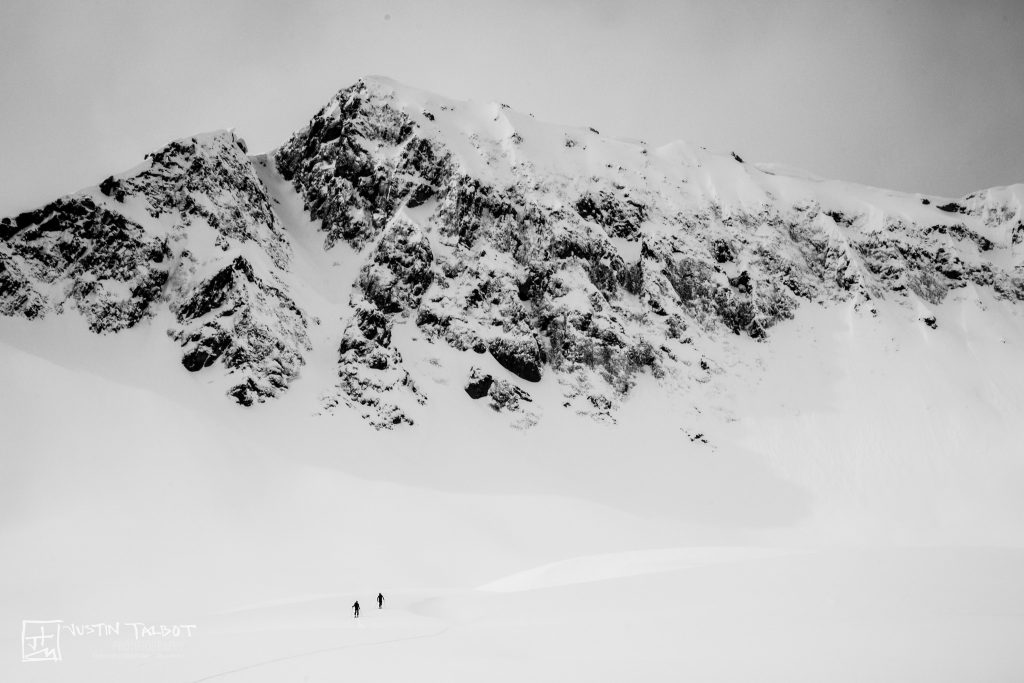
PREPARE FOR TRAVEL IN AVALANCHE COUNTRY
Before you head out, pull up the daily avalanche forecast from the Colorado Avalanche Information Center or pull up the avalanche forecast layer on your COTREX App. Please keep in mind that these forecasts cover a large area, and Colorado has many microclimates. Please watch carefully for avalanche conditions as you travel your route.
Do you have the 10 essentials for backcountry exploration? You should be prepared to spend the night, winter navigation can be tricker than summer with quickly changing conditions and less visual markers and signs.
- Navigation Tools – Printed Map, Compass, GPS, Watch and Extra Batteries. Remember the cold temperatures can accelerate battery drain.
- Signaling Tools – Whistle, Mirror, Cell Phone, Bright Colored Clothing or Marking Tape
- Light Source – Headlamp, Flashlight and Extra Batteries
- Nourishment – Enough Water and High Energy Foods that won’t freeze and can last 24 to 48 Hours. A balance of protein, carbs and fats are best.
- Shelter Supplies – Cord, A Light Tarp, A Bivy Sack or Space Blanket
- Protection – Sunscreen, Eye Protection, First Aid & Medication, Waterproof Bag or Sac, Warm and Waterproofing Clothing (dress in layers) and Extra Dry Clothes
- Fire Building – Waterproof Matches, Fire Starter, Heat Tabs, Knife or Saw
- Avalanche Gear – Transceiver (Beacon), Probe, Shovel with Metal Blade
- Other – Repair Kit for Your Ski or Snow Equipment (Duct Tape, Zip Ties, Multi-Tool, Extra Screws/Parts, Straps)
TAKE A WINTER BACKCOUNTRY SAFETY CLASS.
Learn about avalanches and how to mitigate risk with these winter safety courses and resources:
Basic Info
- Avalanche Aware Online Course
- Attend an Informational Night Near You
- Colorado Mountain School Free Avalanche Awareness Online
- CAIC Avalanche Aware Video for Motorized Backcountry Users
- CAIC Avalanche Aware Video for Human Powered Backcountry Users
Avalanche Safety Courses
(Offered Locally by Powder Pro Labs)
FIND RESOURCES BY SPORT
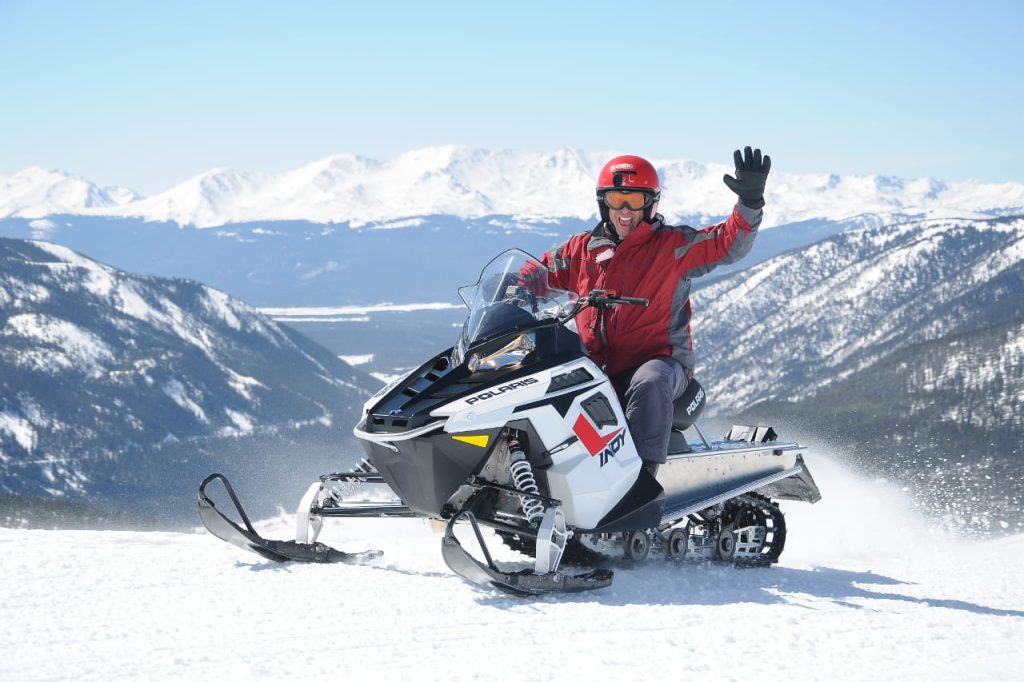
Find how-to and safety resources by sport, from snowshoeing and skinning to winter wildlife viewing.
Locally Powder Pro Labs offers Guiding and Clinics for motorized and non-motorized users in the backcountry and are a great resource.
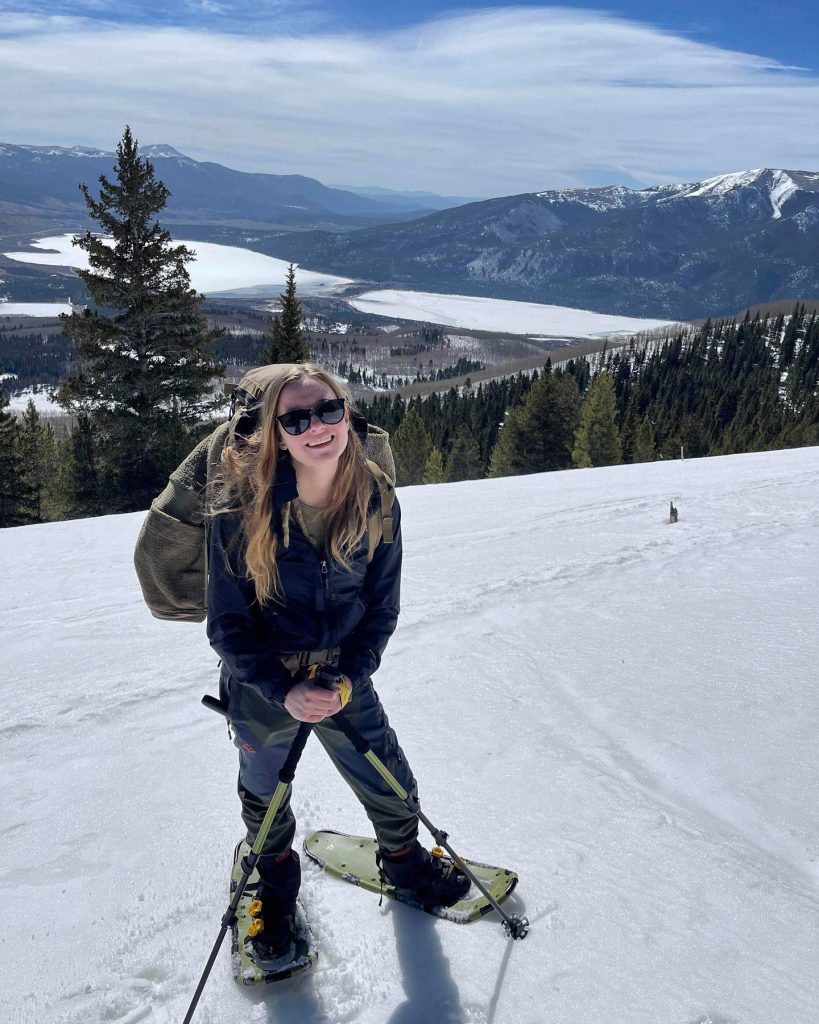
LEAVE NO TRACE IN WINTER
Leave only footprints and take only memories. Learn how you can leave no trace while enjoying backcountry snow sports.
DONATE TO COLORADO SEARCH & RESCUE
When you donate to Lake County Search & Rescue, you help those who help others.
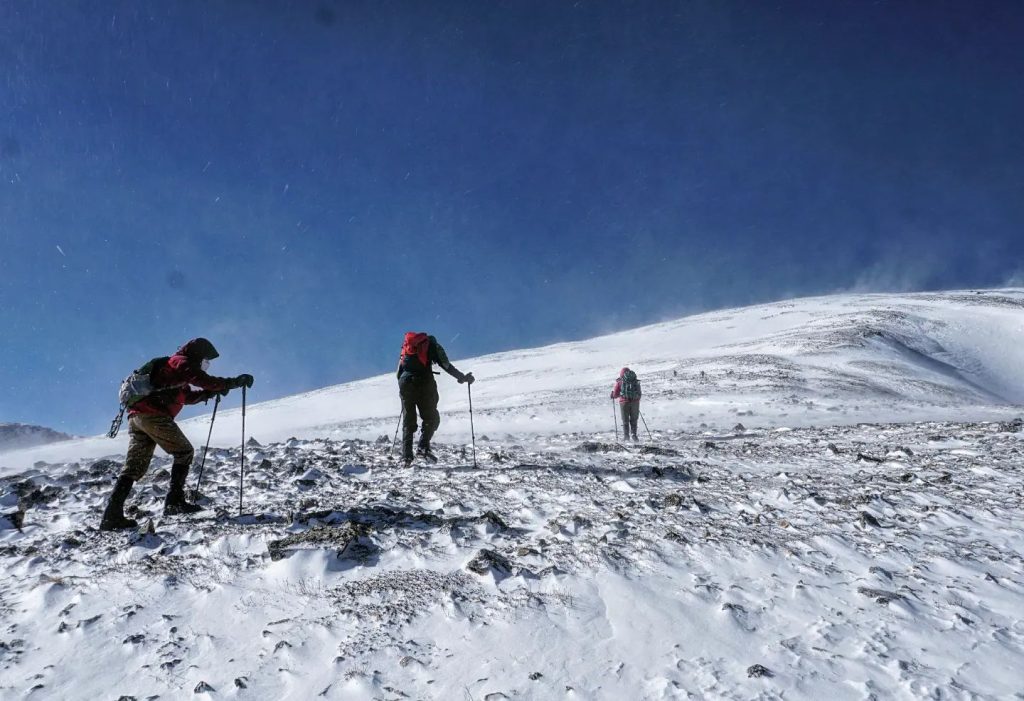
KNOW BEFORE YOU GO
We want you to have an amazing trip! Please be sure you know how to play it safe in Colorado’s backcountry.
Approach our majestic mountains with respect. And have a safe and unforgettable time!
Featured photo: @silverroseleadville
More Posts