

Something truly extraordinary happens in Leadville every August. Runners arrive in droves to take their shot at the Leadville Trail 100, with months or years of physical training and logistical preparation. Their goals vary. Many chase cutoffs; a few chase podiums or records. Most quietly chase something personal and internal: resilience, redemption, or the rare fear of starting something so big you can’t predict the outcome.
Perhaps you’re passing through to do some mountain biking, or came to try to spot a friend during their LT100 journey. As you’re seeing the commotion and crowds, your excitement builds, and you start to wonder: What if I did more? What if my friend – or a total stranger? – asked me to be their pacer? Could I pull together everything I need to step up to the challenge?
In Leadville, we’re ready for this wild dream. Let’s get you geared up!
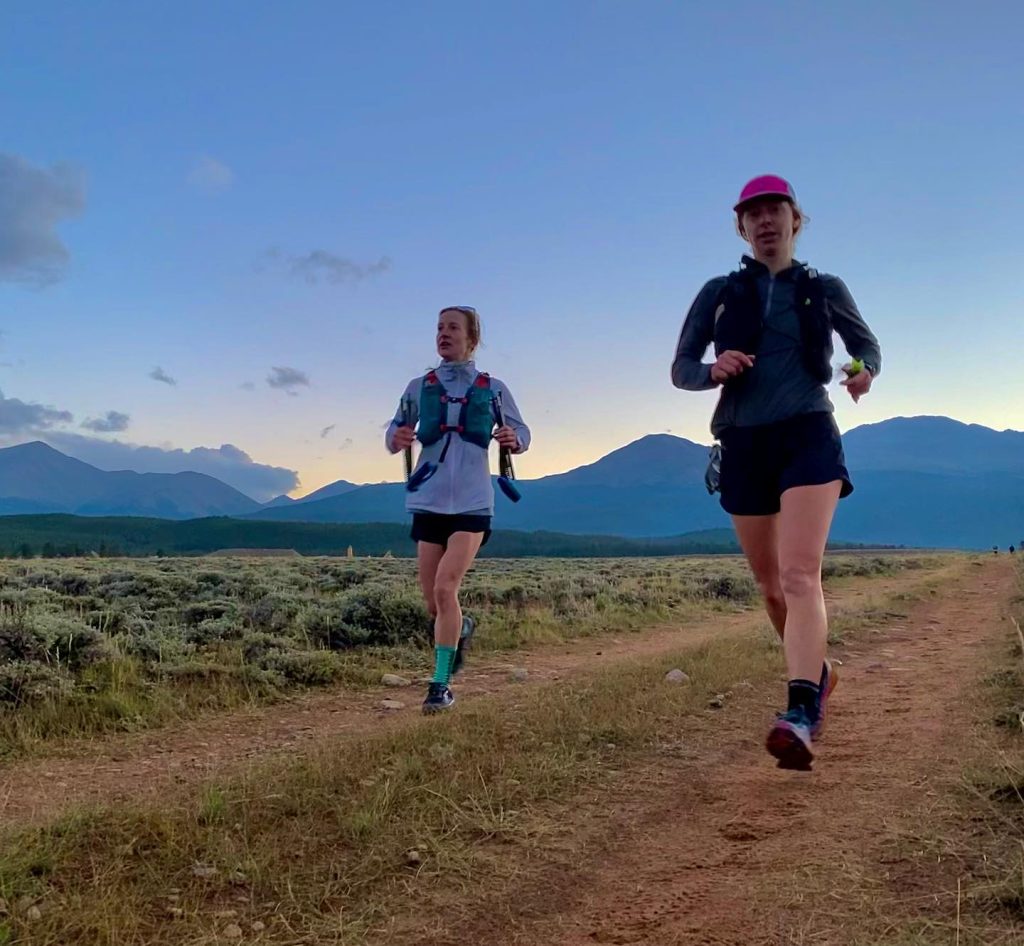
@genevieveyeakel
Racer vs. Pacer
Before we go shopping, let’s define “pacer”: in ultrarunning, many races allow participants to have a second person join them running on course between aid stations, usually on the back half of the event. This second runner didn’t go through standard registration and won’t be considered a finisher. The pacer donates their time, body and brain to help execute a race plan, usually by carrying the mental load of navigating or hitting specific time goals.
In the Leadville 100, our mining roots say the pacer can also act as a “mule” by carrying the racer’s gear. Pacers handle their exhausted runner’s emotions, nutrition and hydration, trash, the course, and the “runner math” necessary to set pace for certain outcomes. Frequently, pacers provide the same support to other runners and pacers along the way, lending a hand to anyone in need. Simply put, pacing is mentally and physically challenging and involves carrying a lot of stuff, often overnight, for a marathon distance or longer!
Get All the Essentials — Right Here in Leadville
If you’ve been asked to pace — whether weeks ahead or at the last minute — your first job is to talk with your runner about their race plan, how they want you to support them, and what gear they’ll expect you to “mule.” Your second job? Get yourself outfitted for the mountains, and there’s no better place than right here in Leadville.
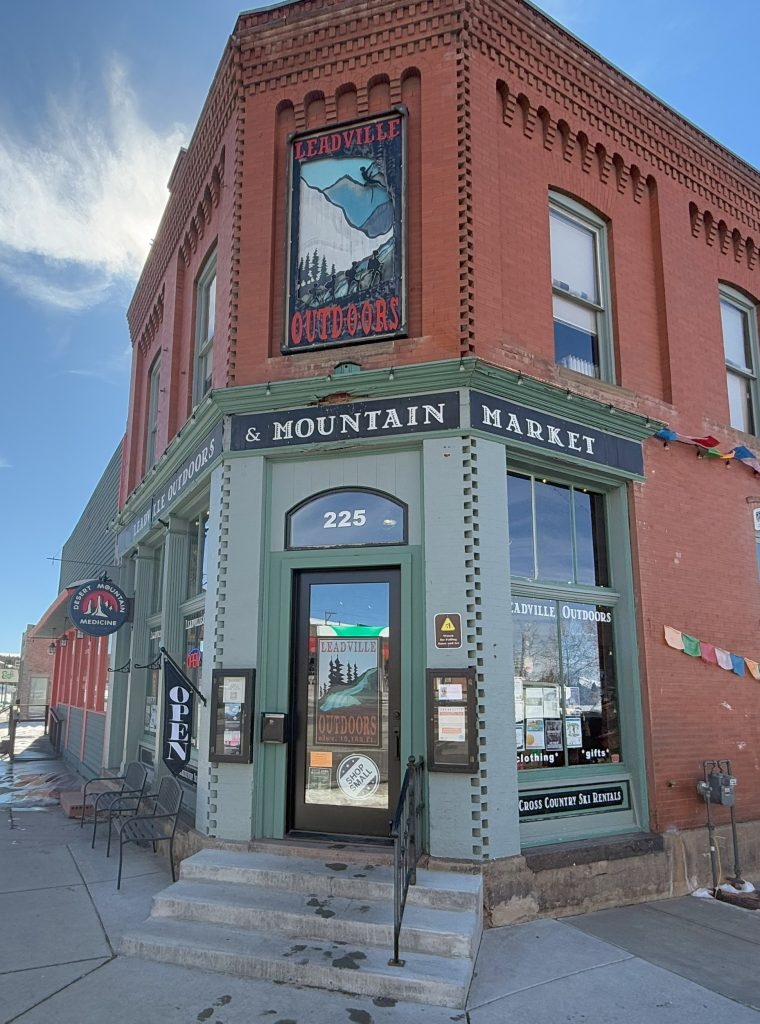
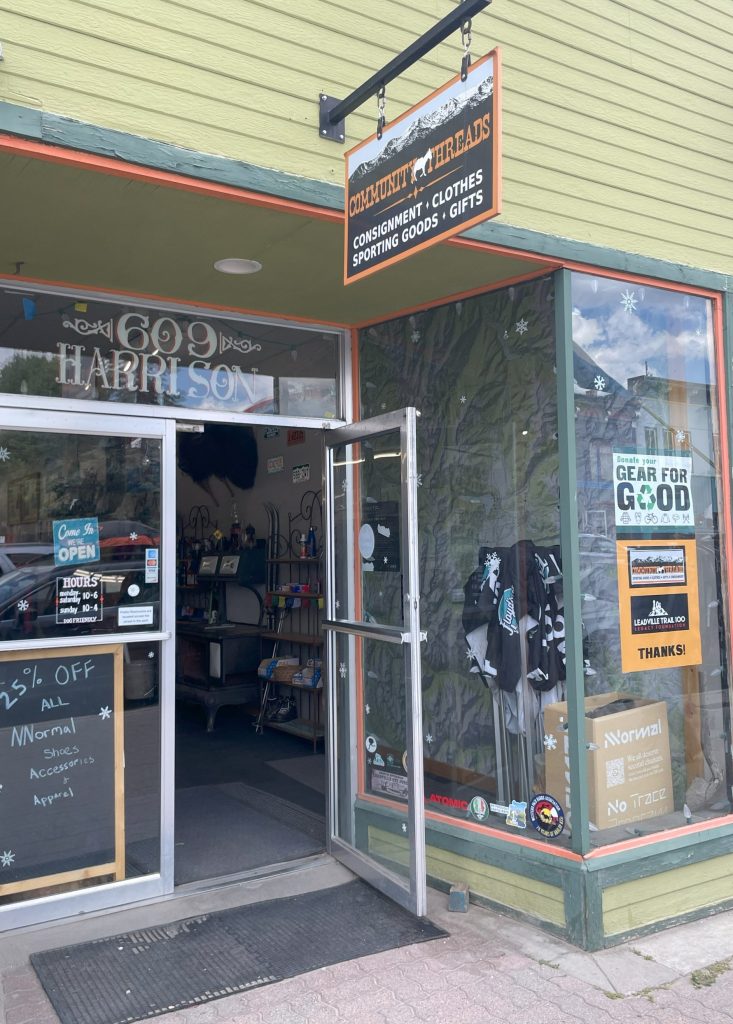
Start at Leadville Outdoors and Community Threads — two local icons that have been keeping Leadville adventurers warm, dry, and trail-ready for decades.
- Leadville Outdoors is a gear-lover’s dream. From trail shoes that grip wet rock to running socks designed for blister prevention, their team will set you up for the unpredictable highs and lows of the course. They know Leadville trails like the back of their hand and can help you fine-tune your pack for comfort and performance.
- Community Threads blends style and function, selling both new and gently used apparel and gear. A great place to find cold-weather apparel that’s mountain-tested by locals who live at 10,152 feet. Whether you need a cozy top for nighttime pacing or a buff to block the wind on Sugarloaf Pass, they’ll make sure you’re race-day ready.
Must-have items for pacers:
- Running socks to ward off blisters
- Trail shoes that dry quickly, protect your toes, and give solid traction.
- Headwear — cap, visor, or Buff — to adapt to shifting weather.
- Sunglasses for the bright alpine sun
- Headlamp (or two!) with extra batteries for those starry night miles.
- Layers for both day and night — you’ll probably regret starting without warm pants and long sleeves
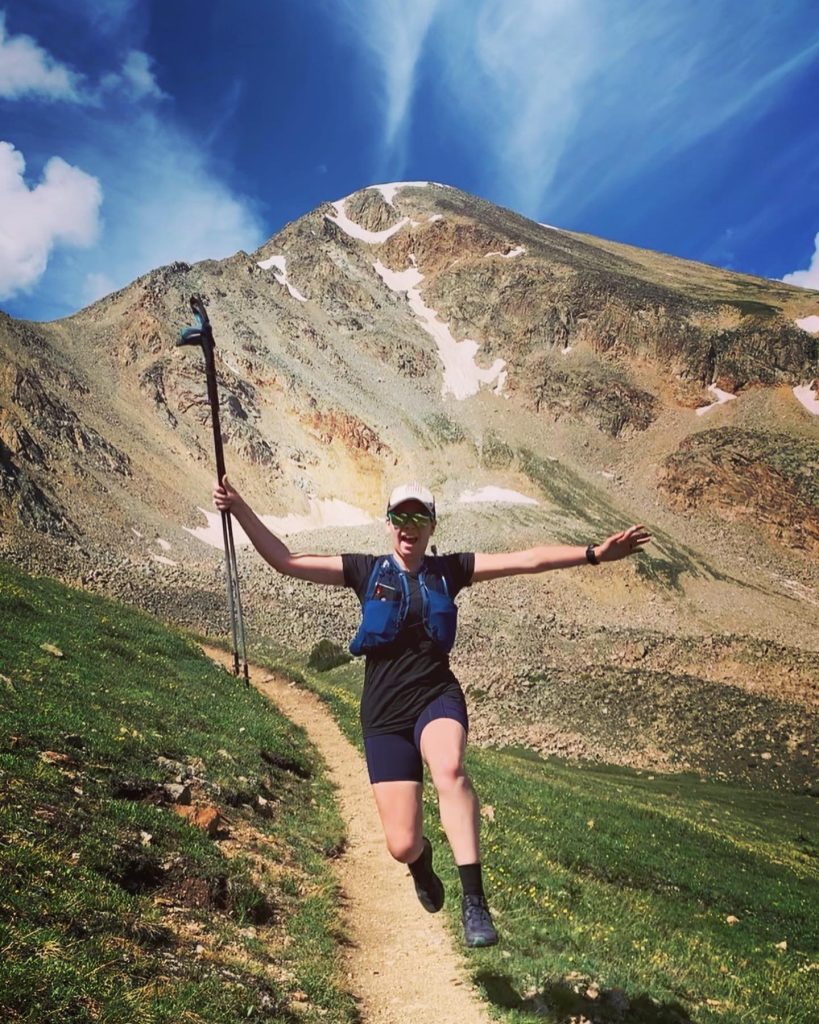
- A stretchy running vest or snug daypack that carries organized weight without bouncing (bouncing leads to chaffing) and remember to preserve space – you are carrying items for two!
- Be prepared for both cold and wet – Merino wool garments are fantastic, even when damp.
- A water-resistant jacket (regardless of the forecast) – test it both under and over your pack. A snug jacket maintains pocket accessibility but has potential to bunch up where a larger jacket can keep everything waterproof in a rainstorm but blocks access.
- Spare water flasks, bladders or bottles that fit in your pack.
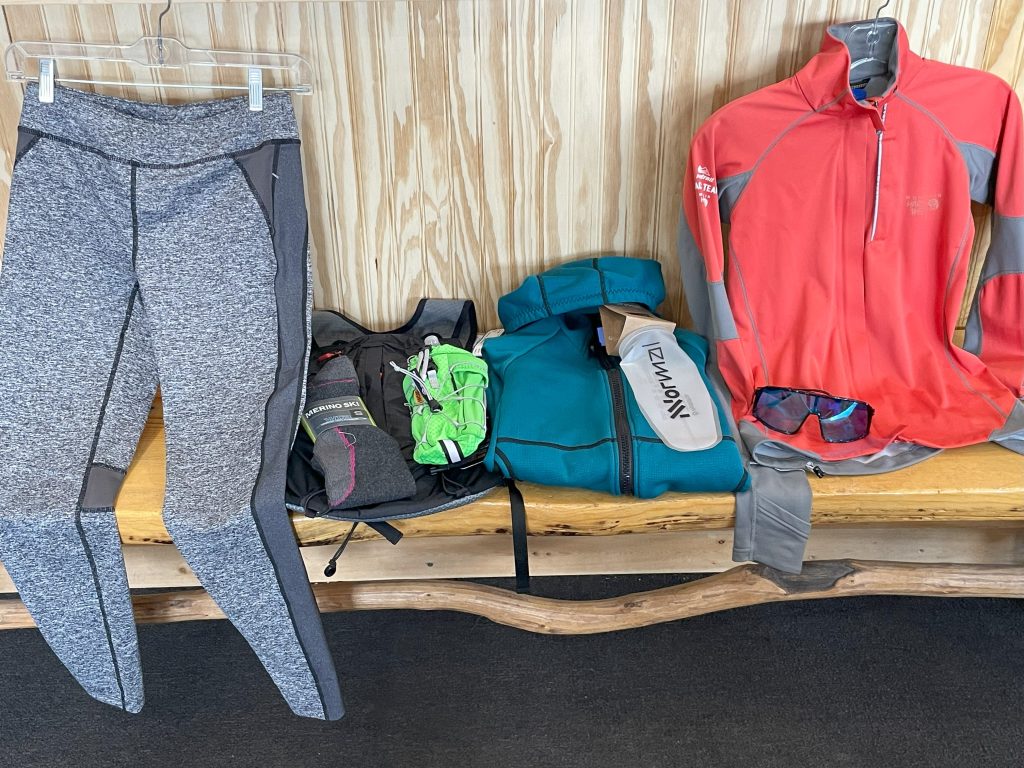
Community Threads
Pro tip 1: The Leadville 100 course crosses multiple small streams between aid stations. At Leadville Outdoors, grab a water filter cap to keep weight down and refill bottles on the move.
Pro tip 2: Water resistance jackets aren’t very breathable but can be worn to strategically trap body warmth overnights. At Community Threads find all the layers needed to stay comfortable.
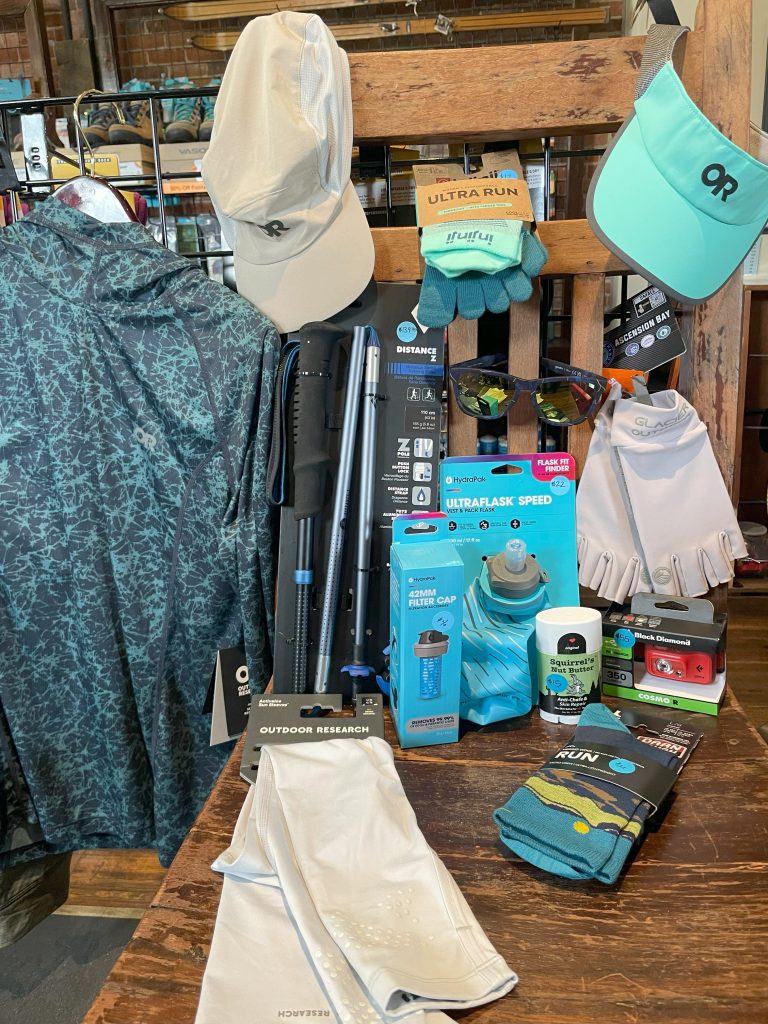
Leadville Outdoors
Second-tier items pacers swear by for runner assistance:
- Sunscreen and Chapstick to beat the high-altitude sun.
- A tiny first aid kit and whistle to summon emergency help.
- Gloves and warmer layers
- Chafing balm like Squirrel’s Nut Butter or BodyGlide.
- A collapsible cup for aid station snacks.
- A small bag for packing out trash.
- A handkerchief for sticky fingers.
It’s common to see pacers with all their runner’s spare clothing, gels, sun protection and batteries because you’ll be rifling through it all to maintain nutrition goals and help solve problems. You cannot rely on the runner to remember and use what is in their pack late in the race, so it’s often best to hand them the items.
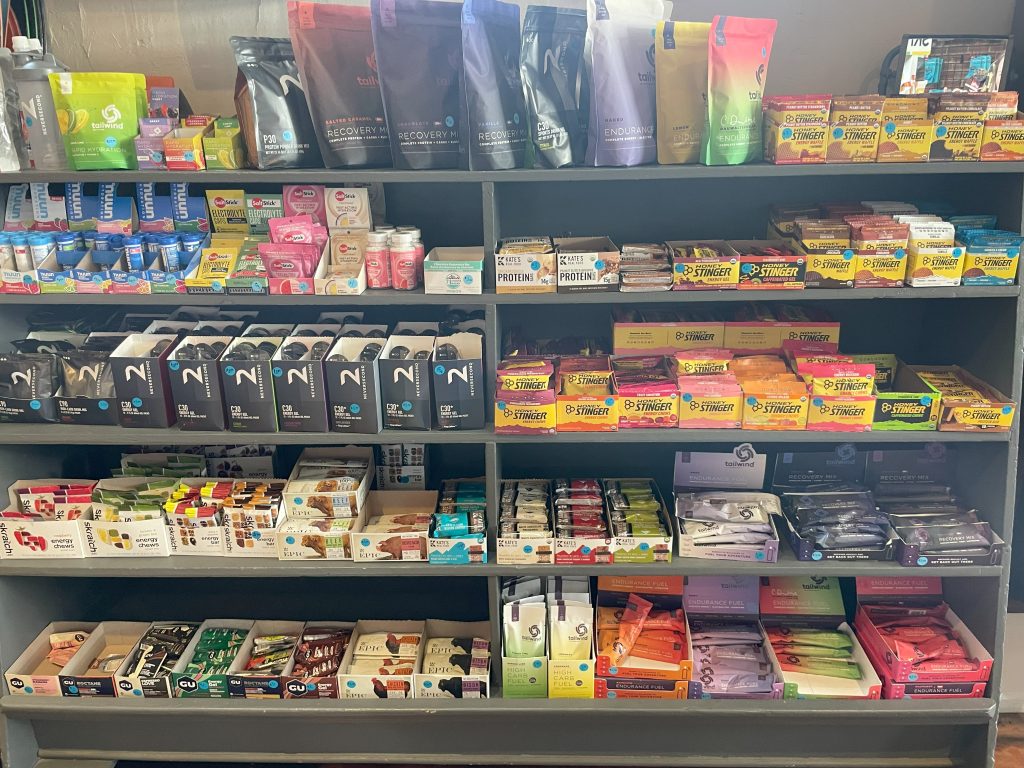
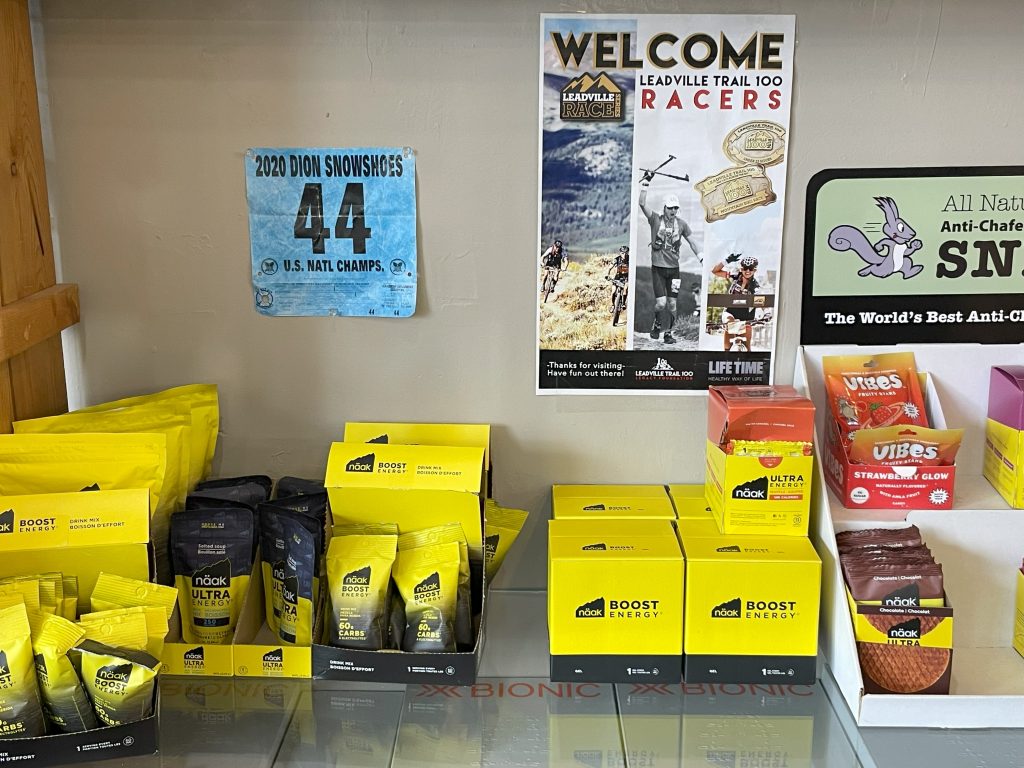
And Don’t Forget Items to Care for Yourself!
Stock Up for the Long Haul
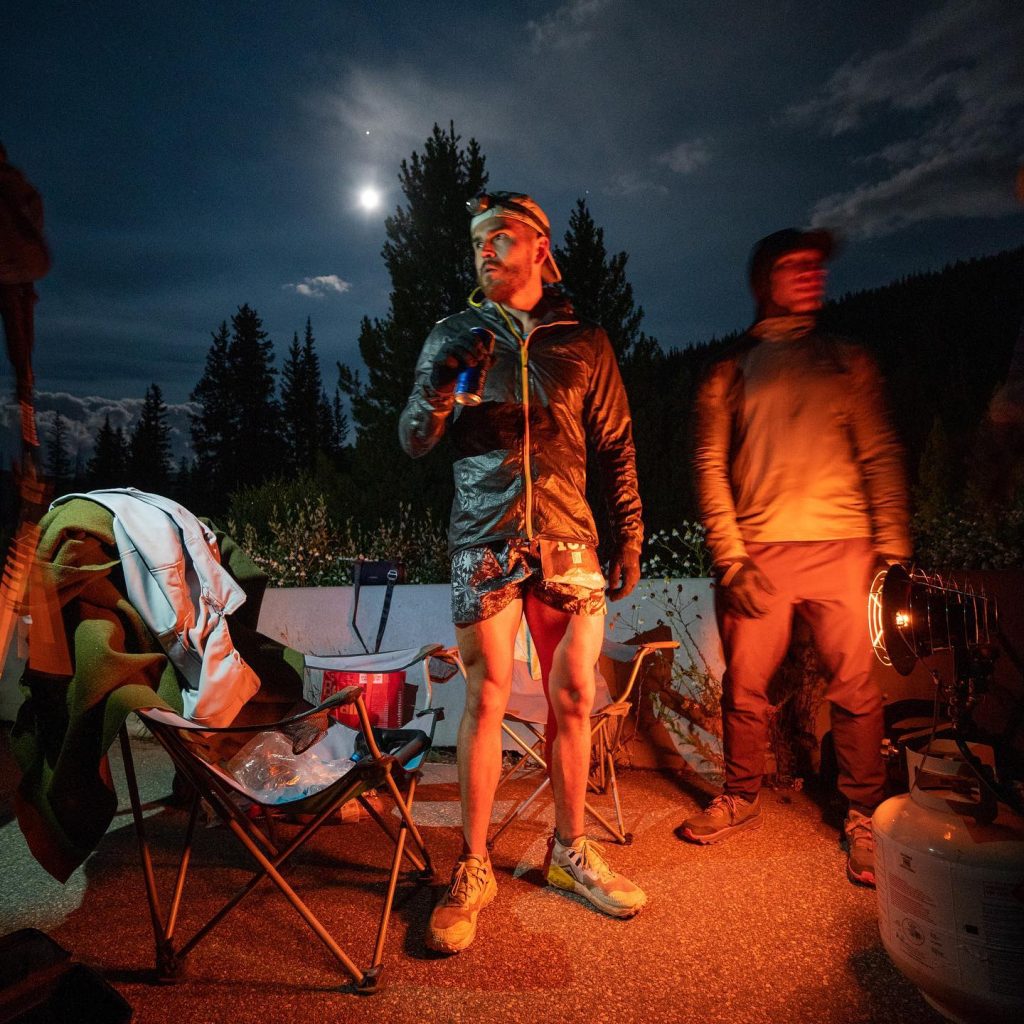
Once you’ve got your core gear dialed, check out additional local favorites and convenience stores to round out your kit.
- Tenderfoot Market: Pick up “real food” fuel like cheese, fruit, or trail mix for variety beyond gels. Palette fatigue sets in for every racer, eventually.
- Cycles of Life & Leadvelo Bicicasa: Are more than just bikes – need a hydration bladder, bike bottles, or endurance nutrition? They’ve got you covered.
- Local convenience stores (Safeway, Downtown Convenience Store, Saturday’s Fast Stop): Are perfect for mini Coca-Cola bottles, salty snacks, a toothbrush or even a phone charger.
@gmmartinez
When It’s All Said and Done
Remember that, as a pacer, you are allowed to stage items in your racer’s drop bags so they’re waiting at specific aid stations. This can be a life saver for the long haul from Twin Lakes back to Leadville.
And once you’re done helping your racer with their big journey, what can you do with all this new stuff?
Donate your Gear for Good at Community Threads, supporting the LT100 Legacy Foundation or B & B Shipping can help you package and send it wherever you’ll need it next!
A few final thoughts on the art of being a good pacer:
Remember that this is not your day. The racer is the priority. Leave No Trace: pick up any trash you see and always leave the trail better than you found it. And finally, be patient but firm. Your racer needs to eat, hydrate and most importantly, keep putting one foot in front of the other, one small section at a time.
Your gear is sorted, the plan is set, now go help someone achieve something extraordinary. You’re ready!
@runforcurrahee
More Posts