

Your Guide to Staying Warm While You Reset in the Rockies
Winter in Leadville and Twin Lakes is an invitation to breathe deeper, slow down, and reconnect with yourself and the mountains. At 10,000 feet, the high alpine air sharpens the senses, the sunlight lingers on sparkling snow, and the stillness wraps around you like a blanket. It is the perfect place to reset in the Rockies, and the right clothing ensures you can fully enjoy this restorative winter landscape.
Dressing appropriately for Colorado’s cold weather can be the difference between having a great day and a bad one. Staying comfortable and dry is essential, and that starts with smart layering.
A common mistake is overdressing without layers, making it difficult to adjust as your body warms up from activity or as the sun comes out. Cotton-based clothing, such as denim, is another frequent error, once it gets wet, it stays wet, cooling your body and leaving you chilled, especially in the wind. In Colorado, days often start out cold and warm up quickly, particularly in the spring, so being prepared for changing conditions is key to staying comfortable in all types of weather.
Below is your guide to layering smartly, dressing warmly, and outfitting yourself like a high elevation local.
Start With Base Layers
Just as you settle into the quieter rhythm of mountain life, your base layer sets the tone for staying warm and comfortable throughout the day. Your base layer sits closest to the skin – it manages moisture, insulates you and helps to regulate your temperature when you move from warmer to colder environments and vice versa.
It is important to choose fabrics like merino wool or synthetic (like polyester and polypropylene) layers that wick moisture, regulate temperature, and stay warm even when damp. Avoid cotton (jeans) that will absorb water and stay wet making you colder. Make sure your base layer is comfortable, easily fitting under other clothing items and doesn’t cause chaffing or blisters.
These foundation pieces keep you comfortable whether you are exploring Harrison Avenue, skiing and riding at Cooper or wandering snowy trails around Twin Lakes.
Add a Midlayer for Warmth and Ease
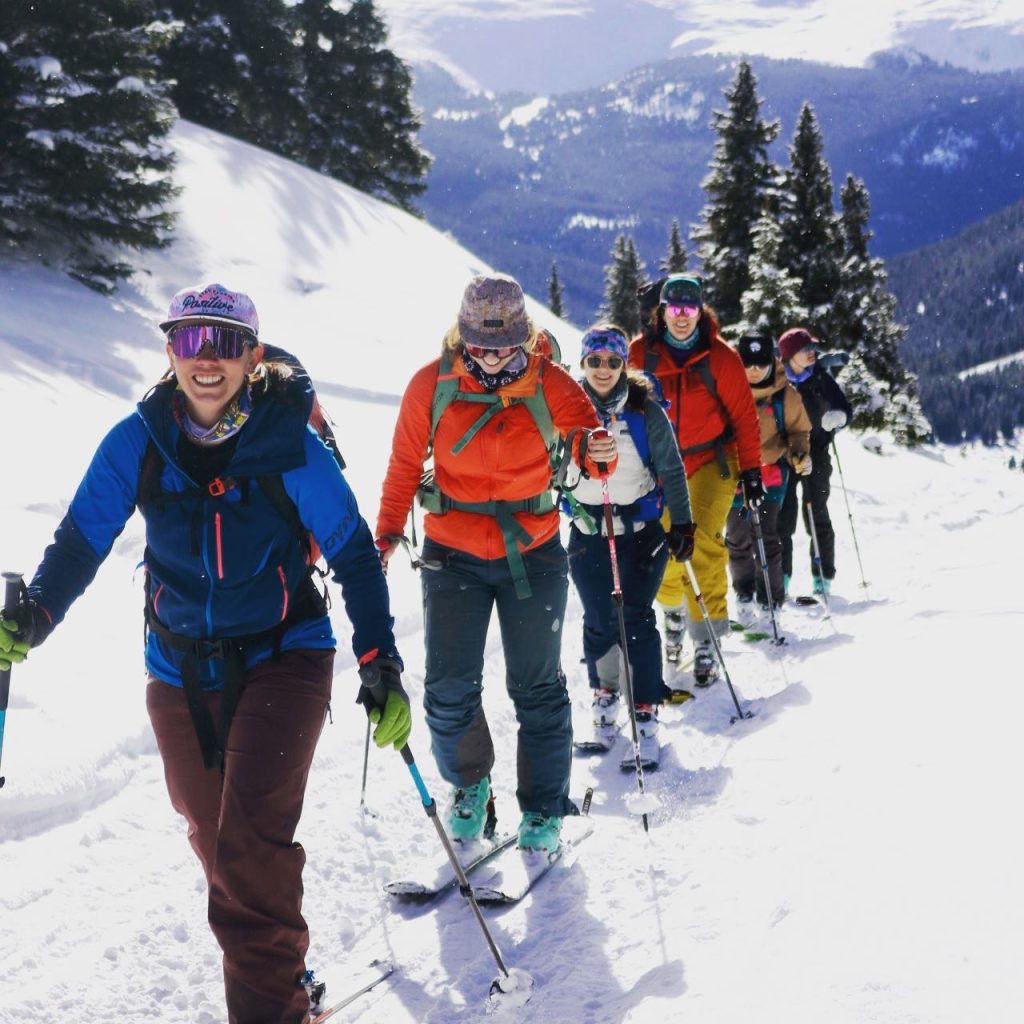
Your midlayer is your cocoon. It provides warmth by trapping body heat while still allowing you to move freely. It should be easy to put on and take off, as it’s the key layer for regulating overall warmth. This adaptability lets you respond to changing conditions as the weather warms or cools, helping prevent both overheating and chilling. The ideal midlayer weight depends on your activity and the forecast – lighter for spring ski days, heavier for snowshoeing in a snowstorm.
Great choices include:
- A lightweight down or synthetic jacket
- Fleece pullovers, merino sweaters or sweatshirts
- Insulating vests for sunny but chilly days
Keep in mind that some winter coats already have a mid-layer (removable is preferred) that includes a warmer liner within the outer waterproof shell.
A good midlayer keeps you ready for both energizing adventures and restorative quiet moments outdoors.
Top it With a Weatherproof Shell to Stay Comfortable in Any Forecast
The Rockies are stunning, but their weather can be unpredictable. A quality outer shell helps you stay present and comfortable, whether you’re basking in sunshine or navigating snowfall.
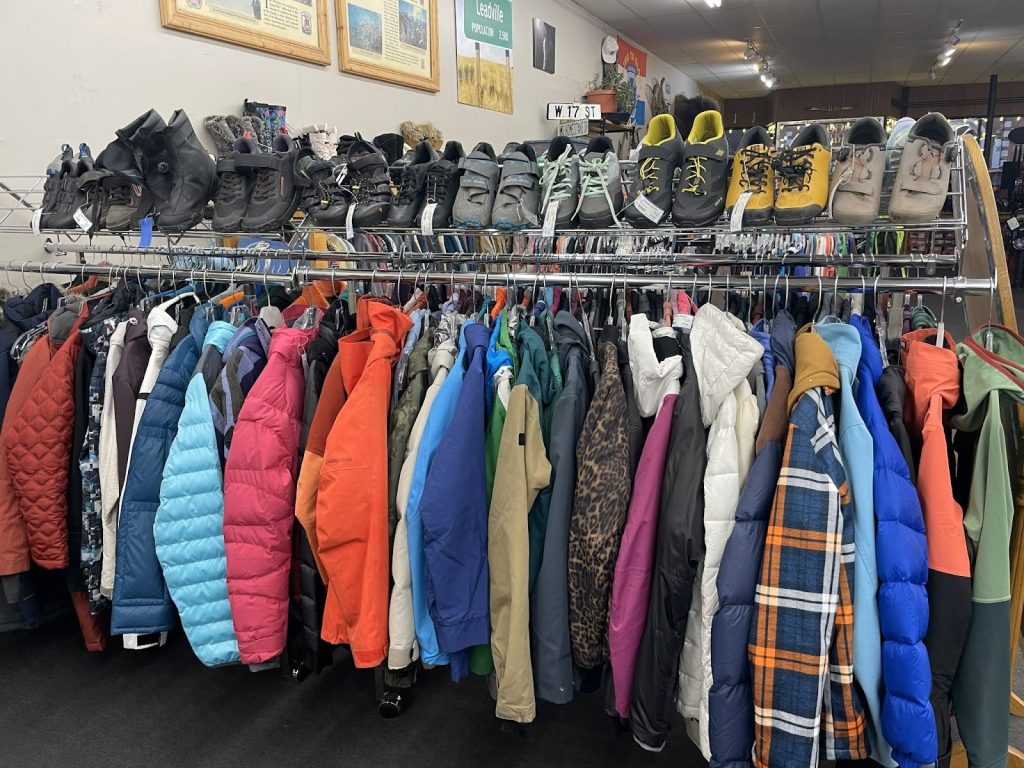
Your outer layer serves as your primary protective barrier, shielding you from wind, snow, and moisture. A well-designed shell should be windproof and water-resistant (ideally fully waterproof if you’ll be participating in snow activities). It should fit comfortably over your other layers and feature easy-to-use zippers or snaps for quick temperature regulation. Additional zippered vents are a bonus, providing extra airflow when you need it.
For time spent in the snow, jackets and snow pants with snow cuffs are especially effective at keeping moisture out. These stretchy or elastic cuffs at the wrists and ankles prevent clothing from riding up or filling with snow.
Look for:
- High quality breathable, water resistant material like GoreTex or similar
- A hood and high neck for added warmth and protection
- Enough room to layer freely
The right outer layer keeps you comfortable, so you can focus on soaking in the scenery instead of the elements.
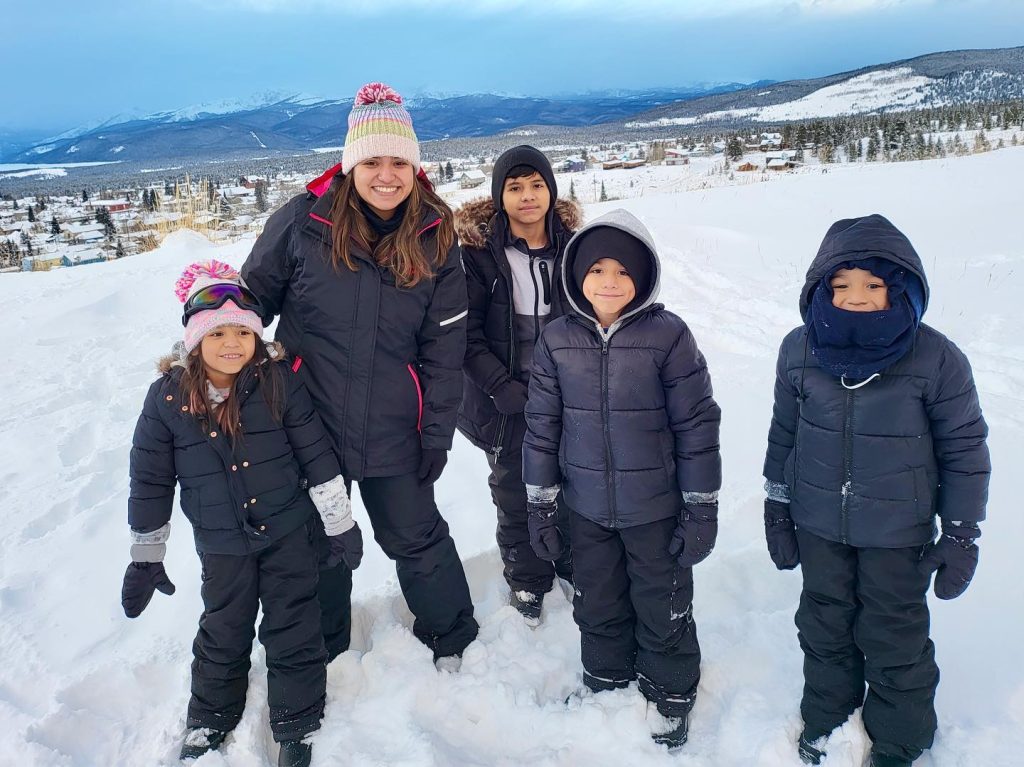
Keep Your Lower Half Warm for Effortless Exploration
When layering, don’t forget about your legs! You typically only need two layers here – the base and the outer. Keeping your lower body warm makes winter outings feel effortless. If you’ll be participating in snow activities, be sure your outer pant layer is water-resistant or fully waterproof.
Pack:
- Thermal leggings or wool tights that fit comfortably under your outer layer (follow base layer rules – no cotton)
- Insulated or softshell pants for warmth and protection outdoors
- Snow pants or gaiters if you’ll be participating in snow activities to help you stay dry and warm
- Pants with elastic snow cuffs that fit snugly around the outside of your boots to minimize snow getting inside
Warm, well-layered legs and feet go a long way toward keeping you comfortable in winter conditions.
Accessorize With Intention: Hands, Feet and Head
Accessories are where warmth meets comfort and they’re essential for enjoying high-alpine winter days. Your hands, feet, and head are the first to feel the cold, so protecting them helps prevent discomfort, frostbite, and hypothermia, even on milder days.
Hands
- Mittens or gloves?
- Mittens are warmest, keeping fingers together for shared heat.
- Gloves offer better dexterity and control. If you’re constantly removing mittens to function, gloves may be the warmer choice overall.
- What to look for:
- Insulating materials like wool, fleece, synthetics, or down
- A waterproof, windproof outer layer (Gore-Tex or treated leather) if you’ll be touching snow
- Layering options can work well: thin liners plus a waterproof shells
Have options, different activities call for different gloves, the pair you walk the dog in won’t be the same ones you snowmobile in.
Feet
- Choose wool or synthetic socks that wick moisture and dry quickly
- Socks should be snug, not tight, too many layers can restrict blood flow and make feet colder
- Avoid loose, bunchy socks that can cause blisters and discomfort
- Boots offer more support to ankles and help to keep the snow out
Waterproof footwear is key. Snow, slush, and ice linger in mountain towns, so insulated, water-resistant boots will keep your feet warm and dry. For safety, wear boots with good tread or add traction devices like YakTrax, and take small, shuffling steps on icy ground.
Head & Neck
- Wear a hat, headband, or beanie to keep heat from escaping and your ears warm
- Removing your hat is an easy way to cool down if needed
- A scarf, neck gaiter, or balaclava protects your face and neck from wind chill. Choose moisture-wicking, breathable materials, wool and synthetics work best.
These items are a great way to add style and personality to your winter attire with so many options to choose from!

Do Not Forget High Altitude Sun Protection
At this elevation, the winter sun can be surprisingly intense, and the snow reflects sunlight back up at you.
Bring:
- SPF 30 or higher sunscreen
- Goggles or sunglasses, goggles have the added benefit of keeping your face warmer and blocking the wind
- Lip balm with SPF
Snow glare is real. Protecting your skin and eyes helps you stay comfortable, safe, and grounded.
Goggle pro tip: Avoid fogging
- Don’t leave goggles in the car, cold temperatures can trap moisture in the foam
- Let them dry completely between uses
- Fogging happens when warm, moist air gets trapped inside, so keep vents clear
- Don’t cover goggles with a neck gaiter, which can trap your breath
- Keep goggles on your face; repeatedly moving them on and off can cause fogging
Watch this quick video for more goggle tips:
Where to Shop Local Gear
Leadville and Twin Lakes offer several locally owned shops where you can gear up with intention. These stores understand high alpine conditions and can outfit you for anything from a mellow stroll to a serious mountain adventure.
- Leadville Outdoors
225 Harrison Ave., Leadville
Your go-to local outfitter for mountain adventures. Find performance layers, backcountry ski essentials, snowshoeing gear, trail accessories, and packs selected specifically for high elevation environments. - Community Threads
609 Harrison Ave., Leadville
A hybrid new outdoor gear and consignment shop where sustainability meets affordability. Browse new and gently used clothing, footwear, and equipment. It is a great stop for adding high quality layers without stretching your budget. - Melanzana
716 Harrison Ave., Leadville
A local legend. Melly fleece garments are designed, cut, and sewn in Leadville. Most products require a shopping appointment, although hats and socks are available without one. Their fleece pieces make excellent midlayers. - Alpine Ski and Sport
504 Harrison Ave., Leadville
A reliable destination for winter recreation gear. Find skis, snowboards, snowshoes, cross country equipment, and cold weather accessories. - Bill’s Rentals
131 Hwy 91, Leadville
A long standing ski and snowboard rental shop that offers warm weather clothing items for both purchase and rent. Not ready to comm - Ski Cooper’s Trading Post
232 CR 29, Leadville
A fun place to pick up Ski Cooper logo gear or grab winter essentials such as gloves, goggles, sunglasses, hats, and helmets. - Tennessee Pass Nordic Center
Tennessee Road, Leadville
Cozy clothing, handmade mugs, and accessories await at this peaceful nordic setting. Enjoy lunch at the café and consider a gourmet, candlelit Cookhouse dinner in a yurt for a truly memorable evening. - Galena Mountain Projects
522 Harrison Ave., Leadville
Galena sells a variety of layers and hats for warmth or sun protection. - Leadville Exchange
616 Harrison Ave., Leadville
A high end consignment store is a great place to find sweaters and fashionable winter accessories. - Aspen Traders
613 Harrison Ave., Leadville
Boutique brand sweaters and jackets plus eclectic ways to stay warm.
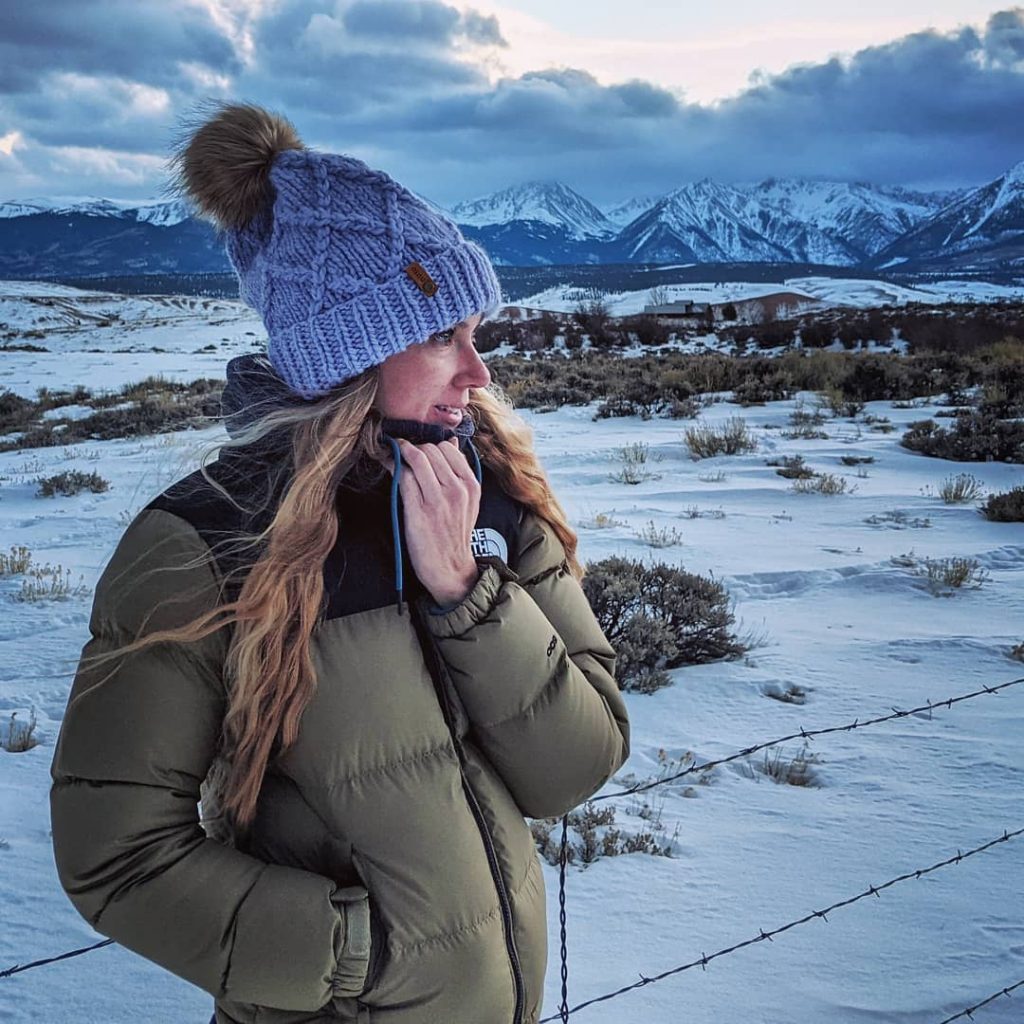
Dress for the Experience You Are Seeking
Different winter experiences call for different layers.
Strolling Harrison Avenue
- Cozy sweater midlayer
- Warm parka
- Weatherproof boots
- Hat, gloves, scarf
Nordic Skiing or Snowshoeing
- Moisture wicking base layers
- Breathable midlayers
- Softshell or waterproof outer layers
- Gaiters and gloves
Skiing or Riding at Ski Cooper
- High performance base layers
- Insulated midlayer and water resistant jacket and pants
- Goggles, waterproof gloves or mittens, neck gaiter
Reflection at Twin Lakes
- Warm, comfortable layers
- Wind resistant jacket
- Insulated boots
- A thermos of something warm
Reset in the Rockies, Fully Prepared
When you dress well for the altitude, sun, and snow, you give yourself the freedom to experience winter in Leadville and Twin Lakes as it is meant to be. Peaceful, joyful, and fully present.
More Posts